
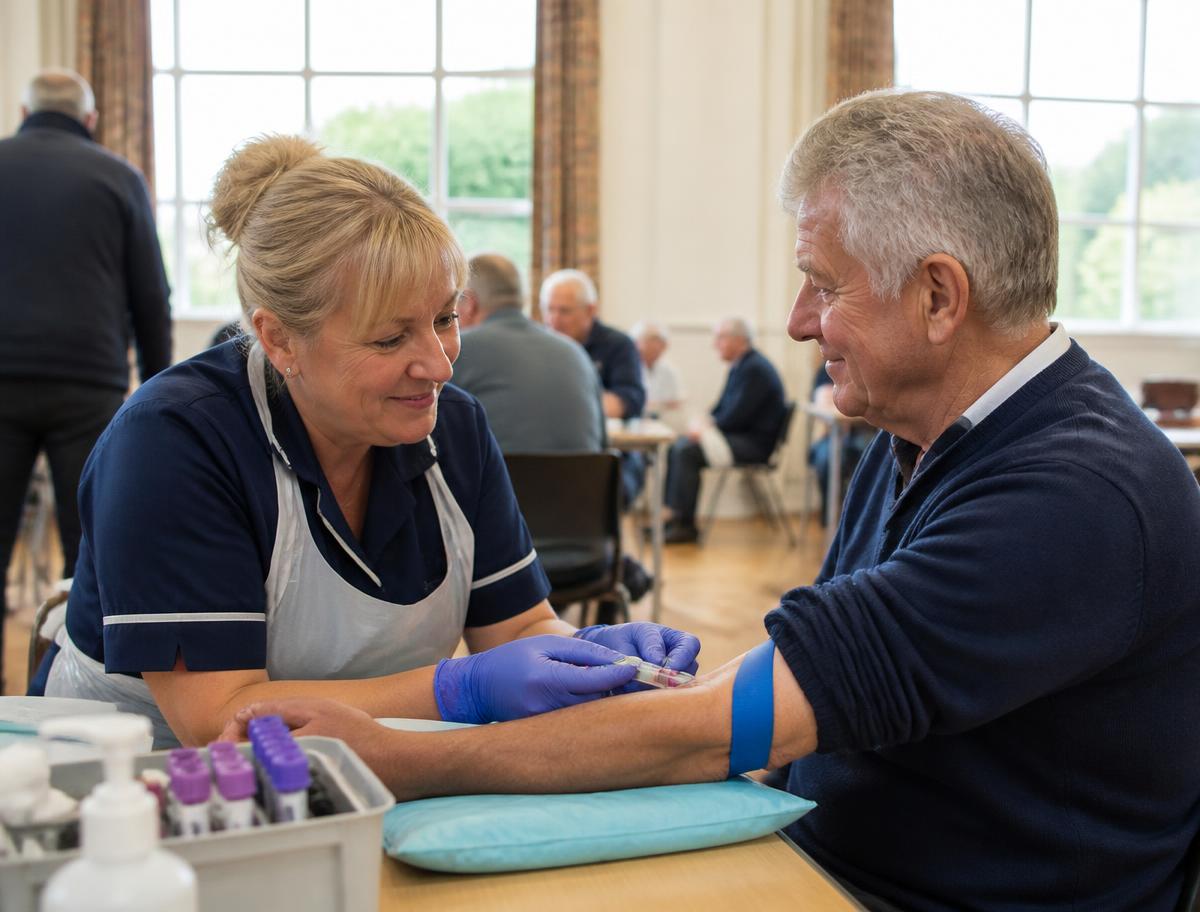
A healthcare professional taking a blood sample for a PSA test
Information you can trust

Prostate Cancer Resources & Information

Clear, practical information on prostate cancer signs, testing, treatment and support for men and families across North Wales.

You are not alone — high-profile diagnoses have put prostate cancer in the news

Recent media coverage has highlighted that prostate cancer can affect anyone. Former Prime Minister David Cameron and broadcaster Jeremy Clarkson have both spoken publicly about being diagnosed. Their openness helps more men recognise symptoms, talk to their GP and consider testing.

Early detection saves lives. If you are worried, book a PSA test or speak to your doctor.

Signs & Symptoms

Prostate cancer often has no early symptoms, which is why screening and PSA testing matter.

When symptoms do appear, they can include needing to urinate more frequently (especially at night), difficulty starting or stopping, a weak flow, blood in urine or semen, pain when urinating or ejaculating, and discomfort in the lower back, hips or pelvis.

These symptoms can also be caused by a non-cancerous enlarged prostate. If you notice any of them, speak to your GP or book a PSA test.

PSA Testing (a simple blood test)

A PSA (prostate-specific antigen) blood test measures the level of a protein produced by the prostate. A raised level can be an early sign of cancer, but it can also be raised by infection, an enlarged prostate or vigorous exercise.

There is no national screening programme in the UK, so many men rely on community testing events like ours. Men over 50, and Black men or those with a family history from 45, are encouraged to talk to their doctor about testing.

A PSA test is not a diagnosis. If your result is raised, your GP may refer you for further checks, including an MRI scan or biopsy.

Treatment Options

Treatment depends on how aggressive the cancer is, whether it has spread, and your overall health. Many low-risk cancers are monitored through active surveillance rather than treated immediately.

When treatment is needed, options include surgery (prostatectomy), radiotherapy, hormone therapy, chemotherapy, targeted therapies and, in some cases, high-intensity focused ultrasound (HIFU) or cryotherapy.

Your oncology team will explain the benefits, risks and side effects of each option so you can make an informed choice.

Support for You & Your Family

A prostate cancer diagnosis affects partners, children and carers too. We offer a safe space to talk, ask questions and meet others who understand what you are going through.

Our monthly meetings include guest speakers, peer support and time to share experiences. You can also speak one-to-one with a volunteer who has lived experience of diagnosis and treatment.

For clinical advice, always contact your GP or specialist team. For emotional and practical support, we are here.

Prostate Cancer – Knowledge Empowers
Free booklet

Prostate Cancer – Knowledge Empowers

A comprehensive, easy-to-read guide covering diagnosis, PSA testing, treatment options, side effects and living well with prostate cancer. Download it free to read at home or share with family.

PDF · approx. 6 MB

Further information and support

Prostate Cancer UK is the leading national charity for anyone affected by prostate cancer. Their website offers detailed guides on symptoms, diagnosis, treatment, side effects and living with prostate cancer, plus a confidential helpline and support services.

When should you get checked?

Use this quick guide to know if it is time to speak to a GP or book a PSA test.

  • You are over 50 and have never had a PSA test
  • You are over 45 and Black, or have a father or brother with prostate cancer
  • You have urinary symptoms that are new or getting worse
  • You have noticed blood in your urine or semen
  • You have persistent pain in your lower back, hips or pelvis

Take the next step today

Book a PSA test, join our supportive community, or get in touch with David for a confidential chat.

Or call / WhatsApp David on 07948 247111